


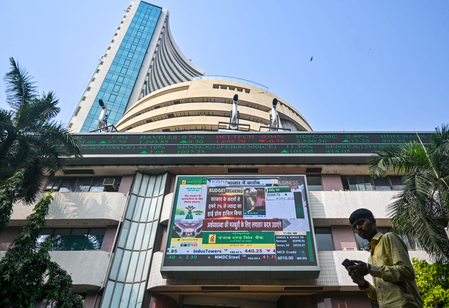
India’s market valuations have become more reasonable following a correction, especially in large caps and specific cyclical sectors, as per a report by Axis Mutual Fund. The report highlights a preference for domestic-facing sectors like banking, capital goods, manufacturing, and selective consumption themes over global-facing sectors such as information technology. Mid-cap and small-cap segments have shown resilience, supported by strong domestic liquidity and selective earnings visibility.
The report also mentions that corporate earnings have remained healthy, but the outlook has softened due to increased FY27 earnings downgrades amid growing global uncertainties and cost pressures. The impact of the US-Iran conflict is noted to be sector-specific, with upstream energy players benefiting from elevated prices while downstream oil marketing companies face margin constraints.
Sectors with high fuel dependence, like aviation, logistics, and transportation, are experiencing immediate cost pressures. Additionally, segments such as autos, pharmaceuticals, and industrials are indirectly affected by higher raw material costs and weaker demand sentiment. Indian equities have faced pressure due to geopolitical tensions and crude oil volatility, leading to a decline in benchmark indices during the month.
Regarding fixed income, the report forecasts the 10-year G-Sec yield to trade within the 6.75 per cent–7.10 per cent range in the second half of 2026, favoring short-duration and accrual-focused strategies. Bond yields have shown volatility, briefly easing on softer crude prices before rising again as geopolitical tensions in West Asia persisted.
The Reserve Bank of India (RBI) has maintained the repo rate at 5.25 per cent with a neutral stance while implementing measures to attract foreign capital into debt markets. Inflation, currently around 3.5 per cent, is relatively contained, although risks persist from higher crude prices, weather-related disruptions, and food inflation. Structural drivers like potential inclusion in global bond indices, FCNR(B) deposits, and ECB inflows could further support foreign investments in Indian debt markets.
