


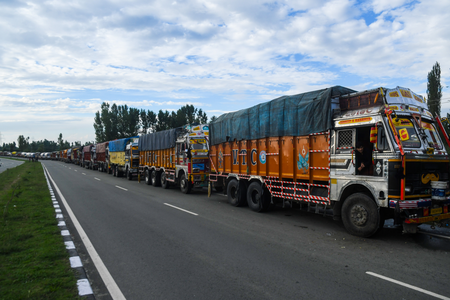
India’s road network has rapidly expanded over the past 11 years to become the world’s second-largest, boasting a total length of 146,560 km. This growth is attributed to key government initiatives like Bharatmala Pariyojana and SARDP-NE, among others. The Ministry of Road Transport and Highways reported a significant 61% increase in the national highway network, from 91,287 km in 2014 to 146,560 km in 2025.
The length of operational access-controlled High-Speed Corridors and Expressways has surged from 93 km in 2014 to 3,052 km by the end of 2025. Moreover, the extension of 4-lane and above National Highways, including access-controlled corridors, has more than doubled from 18,371 km in 2014 to 43,512 km presently. The Ministry of Road Transport and Highways has monetized Rs 1,52,028 crore through various asset monetization modes till November 2025, with a target of Rs 30,000 crore for FY 2025-26.
To encourage private participation, Model Concession Agreements have been updated, and the Build-operate-transfer system has been revamped for the first time since 2007-08. The Ministry plans to introduce the Public InvIT – Raajmarg InvIT to broaden the investment base, with SEBI clearance in progress and an issuance date set for January 2026. In alignment with the Union Budget 2025-26, the Ministry has identified a PPP project pipeline of 13,400 km, estimated at Rs 8.3 lakh crore, to be developed over the next three years.
A network of 35 Multimodal Logistics Parks is in the works under Bharatmala Pariyojana, with an investment of about Rs 46,000 crore, capable of handling around 700 million metric tonnes of cargo. The Ministry also plans to introduce state-of-the-art wayside amenities along National Highways at intervals of 40–60 km in PPP mode to enhance user comfort and convenience. Additionally, under Parvatmala Pariyojana, the Ministry aims to develop world-class ropeway infrastructure in hilly regions to improve connectivity and logistics efficiency.
In other significant developments in 2025, the Prime Minister inaugurated the Sonamarg Tunnel in Jammu & Kashmir and laid foundation stones for various road projects, including the Rafiabad–Kupwara NH widening project. Urban Decongestion Projects like the Dwarka Expressway and UER-II were inaugurated in Delhi. The Ministry also flagged off hydrogen-powered heavy-duty trucks trials by Tata Motors and notified the Cashless Treatment of Road Accident Victims Scheme, 2025.
Vehicle safety standards have been strengthened through mandatory High Security Registration Plates and provisions for Advanced Driver Assistance Systems in new vehicles. The Ministry has operationalized Registered Vehicle Scrapping Facilities and Automated Testing Stations across various states/UTs, scrapping a total of 3.58 lakh vehicles till November 2025. Financial incentives for Good Samaritans under the Rah-Veer Scheme have been increased, and the BhoomiRashi Portal was launched for digitization of highway land acquisition.
Moreover, a FASTag-based Annual Pass for non-commercial vehicles has been introduced, with over 36.13 lakh passes sold by November 2025, generating Rs 1,084 crore in user fee collection. The Government’s decision to implement barrier-free Electronic Toll Collection using Automatic Number Plate Recognition cameras on select national highway stretches aims to enable seamless tolling alongside FASTag.
