


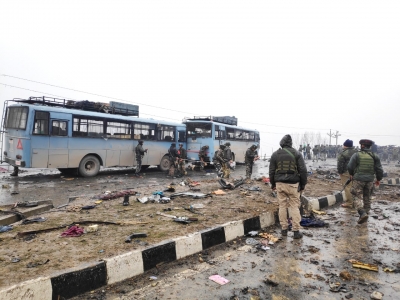
India’s decision to suspend the Indus Water Treaty (IWT) in the wake of the April 2025 Pahalgam terror attack, attributed to a Pakistan-backed group, is seen as a strategic move within the global framework. Over the years, Pakistan has resorted to “non-state violence” as a means to target India, with several terrorist organizations operating from its soil, as highlighted by a US Congressional Research Service report.
The recent attack in Pahalgam was claimed by The Resistance Front (TRF), identified as a proxy of Lashkar-e-Taiba by the US State Department. Legal experts familiar with international law stress that India has endured decades of terrorist activities originating from Pakistan, breaching customary law obligations. The escalation in rhetoric from Islamabad post-attack, including threats of war and nuclear capabilities, has raised concerns.
Former Pakistani Foreign Minister Bilawal Bhutto Zardari and Army Chief Asim Munir’s aggressive statements post-attack have been noted. In response, Indian Prime Minister Narendra Modi emphasized a zero-tolerance policy towards nuclear blackmail in his address, asserting a clear stance on deterrence. The report suggests a shift in focus towards addressing proliferation concerns in Pakistan rather than pressuring India.
