


India’s retail inflation for May was reported at 3.93%, below the Reserve Bank of India’s target of 4%. This figure has seen a slight increase from the 3.48% recorded in April. The inflation data for this year cannot be directly compared to the previous year due to changes in the Consumer Price Index (CPI) basket.
The new CPI series, based on consumption patterns from the 2023-24 Household Consumption Expenditure Survey, was introduced in January. The recent uptick in inflation indicates emerging price pressures after a relatively calm start to the year. Economists attribute this rise to factors like high crude oil prices and geopolitical tensions in West Asia, which raise concerns about imported inflation.
During its June monetary policy review, the RBI raised its inflation forecast for FY27 to 5.1% from 4.6% due to risks from a potentially weak monsoon and higher global energy prices. The central bank maintained the benchmark repo rate at 5.25% on June 5, with a neutral policy stance. This decision reflects caution in the face of rising oil prices and global uncertainties impacting the domestic economy.
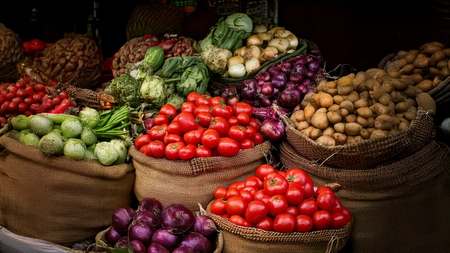
The conflict in West Asia has also impacted India’s economy, affecting currency markets and fueling concerns about stagflation. Despite these challenges, India’s economic growth has shown resilience, with GDP expanding by 7.8% in the fourth quarter and 7.7% for the full FY26. Food prices continue to be a significant factor in headline inflation, given their substantial weight in the CPI basket.
Since June 2025, food inflation has remained negative, contributing to historically low retail inflation levels. In October last year, headline CPI inflation dropped to a record low of 0.25%, supported by food inflation at minus 5.02%.
