


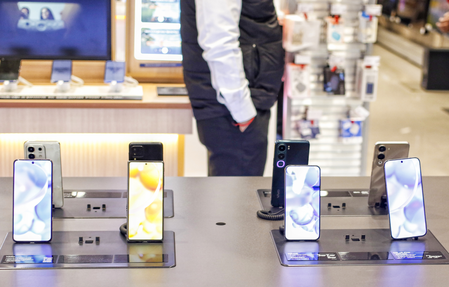
India’s smartphone market experienced a 2% decline in shipments in Q1 2026, attributed to increased DRAM and NAND flash prices. This rise in component costs led to higher device prices, causing price-sensitive consumers to delay upgrades. The premium segment saw a 25% growth, while the affordable and value-for-money segments declined by 46% and 12%, respectively.
The cost pressure in India’s smartphone market was mainly due to elevated memory supply constraints. Brands had to adjust pricing across segments as DRAM and NAND prices surged, resulting in longer upgrade cycles. The value-for-money segment, known for its price sensitivity, was particularly affected by these changes.
Consumers in India are now more focused on getting value for their money rather than frequent upgrades, signaling a shift in purchasing behavior. The feature phone segment continued its decline in Q1 2026, with 2G and 4G feature phones dropping by 12% and 41%, respectively. Looking ahead, a 10–12% decline is projected for the full year in India’s smartphone market in CY2026, with ongoing pressure on the affordable and value-for-money segments.
As the market evolves, there is a noticeable gap emerging in the Rs 5,000–Rs 15,000 segment, indicating an opportunity for smartphone OEMs to offer value at competitive prices. This gap is highlighted as OEMs focus more on premium offerings, leaving a segment underserved.
