


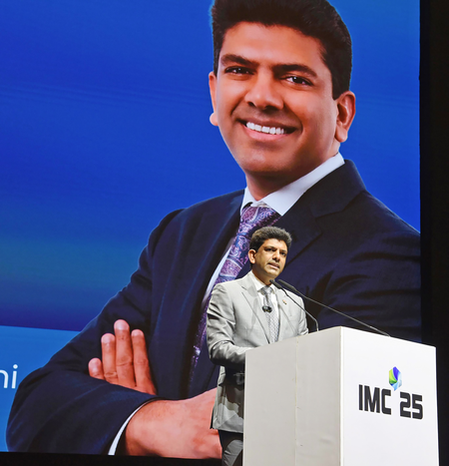
India’s technological landscape, including 6G, Artificial Intelligence (AI), and quantum computing, will be influenced significantly, according to Dr. Pemmasani Chandra Sekhar, Minister of State for Communications and Rural Development. At the ‘COAI DIGICOM Summit 2026’, the minister highlighted the telecom sector’s recent transformative changes and its readiness for future innovations. He stressed the importance of collaboration between the government and industry to establish a strong telecom ecosystem.
While acknowledging India’s progress, the minister emphasized the rapid evolution of technology, which brings both opportunities and challenges. He mentioned key policy initiatives, such as the Telecommunications Act, 2023, and the 2021 telecom reforms package, aimed at enhancing the sector’s financial viability and operational efficiency. Additionally, measures like Right-of-Way reforms and spectrum rationalization have streamlined processes and improved predictability in the telecom industry.
Dr. Pemmasani highlighted the BharatNet program as the world’s largest rural broadband initiative, aiming to connect over 2.6 lakh Gram Panchayats. He also mentioned various citizen protection initiatives, including efforts to combat telecom fraud and enhance user safety. The minister commended the completion of India’s 5G rollout within 22 months, with a significant number of base stations and subscribers, underscoring the sector’s growth and reach.
In terms of revenue and investment, the minister noted a 10.7% increase in the sector’s gross revenue in FY25, along with substantial Foreign Direct Investment inflows. He also mentioned progress under the Production Linked Incentive (PLI) scheme for telecom products, highlighting the sector’s manufacturing achievements and export milestones. Despite these advancements, he expressed concerns about the low research and development spending by Indian telecom operators compared to global standards.
