


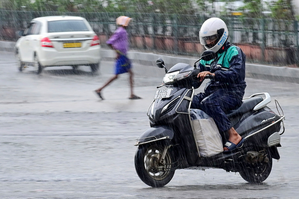
India saw a surge in two-wheeler sales in fiscal year 2026, reaching around 22 million units, as per a report by ICRA. Wholesale volumes grew by about 20% in March 2026, with retail volumes also rising by 28.7% year-on-year. The domestic two-wheeler market expanded by approximately 11% for the entire fiscal year.
The report forecasts a moderation in two-wheeler wholesale volume growth to 3–5% year-on-year in fiscal year 2027. This slowdown is attributed to a higher base and a weak monsoon outlook due to the El Nino occurrence, which may impact rural demand. However, factors like GST rationalization and improved replacement demand are expected to continue supporting the market.
In fiscal year 2026, domestic wholesale volumes grew by 10.2% year-on-year, driven by GST reforms that boosted volumes in the third and fourth quarters. Retail sales also saw a significant increase, growing by 28.7% year-on-year in March 2026 and around 13% for the full fiscal year.
The growth in sales was further fueled by GST reforms, better rural cash flows, and supportive macroeconomic measures such as repo-rate cuts and income tax relief. A diverse product range catering to various consumer segments also contributed to the positive trend.
Electric two-wheelers witnessed a surge in retail volumes, reaching 1,92,023 units in March 2026, marking a 47.4% year-on-year increase. The penetration of electric two-wheelers within the market rose to 9.4% in March 2026 and stood at 3.3% for the entire fiscal year.
Despite challenges in certain international markets, monthly export volumes grew by 17.5% year-on-year in March 2026. Overall, export volumes in fiscal year 2026 increased by 23.3%, supported by a wider product range and growing global recognition of Indian two-wheeler brands. The industry is closely monitoring supply chain and export risks due to the ongoing conflict in West Asia.
