


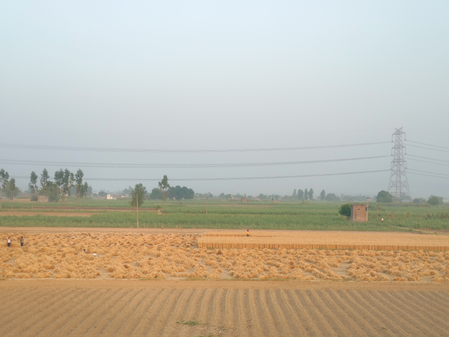
India’s government announced that the wheat production outlook for the 2025–26 season is stable and resilient, despite facing intermittent climatic challenges. The Ministry of Agriculture and Farmers Welfare highlighted that the season has been described as “mixed but resilient,” with strong adaptive measures by farmers and positive procurement trends in key states. The wheat crop, sown across approximately 33.4 million hectares, saw benefits from early and timely sowing, leading to increased acreage compared to the previous year.
Notably, there were no major reports of insect pests or diseases during the season, and weed infestation remained minimal during critical growth stages, supporting overall crop health. However, challenges arose due to unusually high temperatures in February, causing heat stress during the grain-filling stage and potentially impacting yields in some regions. Additionally, untimely rainfall and hailstorms towards crop maturity resulted in localized damage affecting grain quality and output in specific areas.
Despite these setbacks, the production outlook remains cautiously optimistic, with compensatory factors such as an additional 0.6 million hectares under cultivation expected to offset localized losses. The adoption of early sowing practices and improved varietal replacement rates have helped crops withstand heat and biotic stresses, enhancing resilience. Procurement data from states like Haryana, Madhya Pradesh, and Maharashtra also indicate positive trends, with higher arrivals and procurement targets being met or exceeded.
