


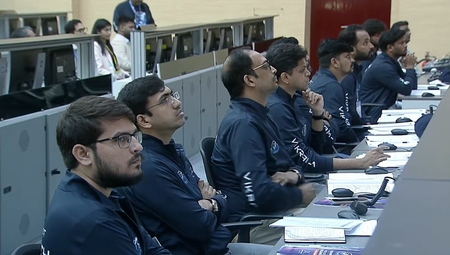
Every nation strives to capture the imagination of its youth, and India is no exception. Recently, a postcard with ‘Vande Mataram’ journeyed into space on Skyroot’s Vikram-1 rocket, marking the 150th anniversary of the national song. This event highlighted the potential of Indian youth in innovation and competition on a global scale.
Simultaneously, in New Delhi, young aspirants at Jantar Mantar are channeling their frustrations over paper leaks into a broader political movement. The issue of paper leaks, such as the NEET-UG 2026 controversy, has long plagued India’s examination system, reflecting systemic weaknesses that need addressing.
The involvement of political parties like the Congress, especially Rahul Gandhi, in leveraging such issues for political gain has added complexity to the situation. While protests and demands for reforms are essential in a democracy, the focus should be on creating a secure and transparent examination system to restore students’ confidence.
The contrasting narratives facing India’s youth today are evident: on one side, there are achievements like Vikram-1 and the hydrogen-powered train, showcasing technological prowess and national confidence. On the other side, there is a call for political change through agitation, highlighting the dichotomy in influencing the younger generation’s aspirations.
The battle for India’s youth extends beyond political arenas to laboratories, classrooms, and startups, where the future of the nation is quietly being shaped. It emphasizes the importance of inspiring young Indians to contribute positively to the country’s development rather than solely reacting to its challenges.
