


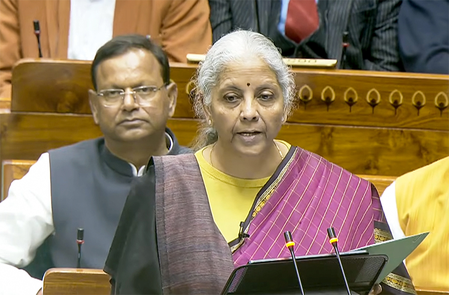
Industry experts have lauded the Union Budget 2026–27 for outlining a robust plan to enhance India’s competitiveness. The budget emphasizes fiscal discipline, structural reforms, and targeted measures to stimulate private investment, providing a sense of assurance amidst global economic uncertainties. CII President Rajiv Memani commended the budget for instilling confidence in India’s growth trajectory, particularly through its focus on bolstering manufacturing and technological capabilities to enhance global competitiveness in key sectors.
The Budget’s initiatives, such as the SME Growth Fund and enhanced financing through TReDS, are expected to facilitate credit accessibility, promote formalization, and enable sustainable growth for small businesses. Leaders from the Essar Group echoed similar sentiments, noting the budget’s timely support amid geopolitical tensions and evolving trade dynamics. Dhanpat Nahata, Managing Partner at Essar Capital, highlighted the budget’s strategic emphasis on strengthening India’s financial fundamentals by deepening corporate bond markets, attracting long-term global investments, and initiating banking reforms.
Srinivasan Vaidyanathan, Operating Partner at Essar, underscored the budget’s alignment with India’s reform-oriented economic trajectory, crucial amidst global uncertainties. The increased public capital expenditure and investments in dedicated freight corridors, waterways, and logistics infrastructure are poised to expedite project execution and bolster sectors pivotal to India’s long-term growth. Ashish Rajgarhia, Executive Director at Essar Ports, emphasized the budget’s focus on infrastructure and trade logistics, essential for India’s growth strategy.
The budget’s initiatives to expand Dedicated Freight Corridors, develop National Waterways, and enhance coastal cargo operations are seen as pivotal for fortifying the maritime sector in the wake of evolving global supply chains. Rajgarhia also welcomed the budget’s provisions for inland waterways connectivity, skill development, and ship repair infrastructure, foreseeing job creation, congestion reduction, emissions mitigation, and progress towards increasing inland waterways and coastal shipping share by 2047.
