


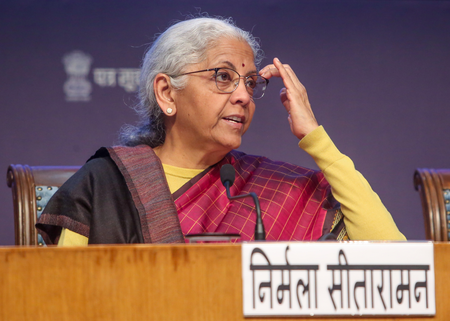
Industry representatives have lauded India’s Union Budget 2026–27 for outlining a robust strategy to enhance the country’s competitiveness. The budget emphasizes fiscal discipline, structural reforms, and targeted measures to stimulate private investment. Noteworthy provisions include the development of mega textile parks, plans for labor-intensive textile segments, and the revitalization of heritage textile parks, all aimed at bolstering the domestic textile industry.
The budget also allocates a Rs 10,000 crore MSME fund, with a focus on benefiting the textile sector, which comprises a significant portion of MSMEs in India. Praising the budget’s balance, Naresh Pachisia, President of the India Chambers of Commerce, foresees it sustaining economic growth at around 7%. He highlights the Finance Minister’s introduction of sector-specific schemes to ensure comprehensive development and praises the government’s commitment to maintaining fiscal discipline to curb inflation.
Mukul Bagla, Chairman of the Direct Tax Committee at PHDCCI, views the budget as a positive step forward. He notes the current fiscal deficit at 4.4%, with plans to gradually reduce it to 4%. While the previous budget focused on tax relief measures, the current budget prioritizes stability. Ashok Batra, Chairman of the Indirect Tax Committee at PHDCCI, appreciates the customs-related reforms introduced in the budget but expresses expectations for similar reforms in the GST framework.
