


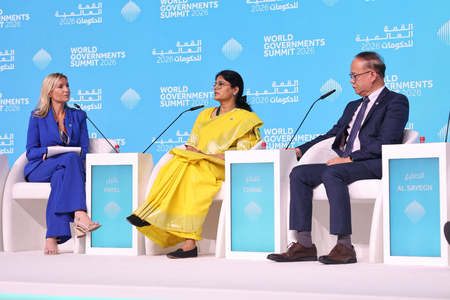
Integrating Ayush with modern medicine in public health can enhance Universal Health Coverage, as stated by Anupriya Patel, Minister of State for Health & Family Welfare. Patel emphasized the importance of transitioning health systems towards prevention and long-term well-being during the World Governments Summit in Dubai, UAE.
Highlighting the session “From Policy to Practice: Investing in the Future of Integrative Medicine,” Patel addressed the need to address the increasing burden of non-communicable diseases, mental health issues, and lifestyle disorders resulting from urbanization, unhealthy diets, physical inactivity, and chronic stress.
Patel emphasized the significance of merging AYUSH systems with modern medicine and public health frameworks to establish a resilient, preventive, and people-centric health ecosystem. This strategic approach aligns with the objectives of Universal Health Coverage, according to the Minister.
India’s approach to integrative healthcare, led by policies and systems, was also outlined by Patel. She showcased India’s success in integrating traditional medical systems with modern scientific medicine, creating evidence-based public health models that can be scaled and are relevant globally.
Patel shared that integrative healthcare has been institutionalized in India, with the National Health Policy (NHP) 2017 providing a strong mandate for its implementation across primary, secondary, and tertiary healthcare systems in the country. Traditional medicine services, including Ayush practices like yoga and wellness, are now offered at Ayushman Arogya Mandirs at the primary level.
