


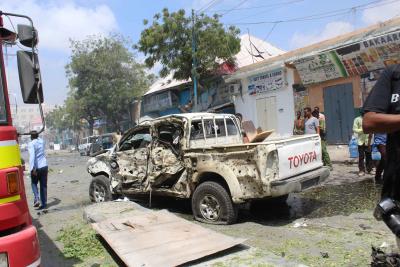
At least 31 individuals lost their lives, and 30 others sustained injuries during inter-clan clashes in northern Somalia’s Laashimo Valley last week, as confirmed by the United Nations High Commissioner for Refugees (UNHCR) on Monday. The violence, which occurred between May 6 and 7, resulted in the displacement of around 9,000 people, with 85% being women and children, according to the latest UNHCR report. The UN agency expressed concerns about potential further displacements due to the fear and protection risks created by the intense violence.
The conflict originated from disputes over access to a water source and grazing land, exacerbated by the prevailing drought conditions that have heightened competition for limited resources among pastoralist communities. The UNHCR highlighted that these conditions have escalated tensions and conflicts among nomadic groups in the region, as reported by Xinhua news agency. The recent clashes were also influenced by longstanding unresolved issues related to revenge killings, according to the UNHCR.
The Laashimo Valley, constrained by years of conflict and minimal aid presence, remains challenging to reach, with a precarious security situation despite ongoing peace efforts led by the government and local elders. Despite facing resource constraints, the host communities have displayed remarkable generosity in accommodating those in need, as acknowledged by the UNHCR. However, the influx of internally displaced persons has strained the already fragile community support system, potentially overwhelming available resources if the situation persists.
To ease tensions, the Puntland regional government deployed forces and set up a military base on May 9, as per the UNHCR. Government officials, alongside community elders and traditional leaders, are actively engaged in resolving disputes and facilitating negotiations between the conflicting parties. The UNHCR emphasized the critical role of these efforts in de-escalating the situation and promoting peace in the region.
