


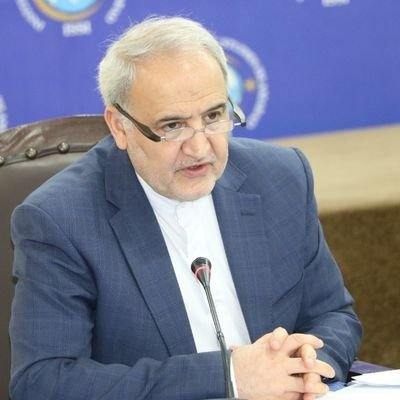
Iran’s Ambassador to Pakistan, Reza Amiri Moghadam, emphasized that negotiations cannot occur under coercion or threat, reaffirming Iran’s position amid ongoing diplomatic activities involving the United States. Moghadam stated that a nation with a rich civilization like Iran will not engage in negotiations under duress, considering this stance a fundamental principle. This statement comes amidst a fragile ceasefire that commenced on April 8 after 40 days of conflict, with Pakistan facilitating indirect talks between Tehran and Washington.
Iranian Parliament Speaker Mohammad Bagher Ghalibaf echoed similar sentiments, declaring that Tehran will not entertain negotiations under the “shadow of threats.” Ghalibaf criticized President Trump for attempting to manipulate negotiations by imposing sieges and violating the ceasefire, aiming to transform the negotiation table into a platform for surrender or renewed hostilities. He emphasized Iran’s refusal to engage in talks under threat and highlighted preparations to unveil new strategies in response.
Iran’s Foreign Minister, Seyed Abbas Araghchi, identified US “provocative actions” and ceasefire breaches as significant barriers to ongoing peace talks between the two nations. Araghchi, during discussions with Pakistani and Russian counterparts, condemned US actions against Iranian commercial vessels, including the reported seizure of the container ship Touska. He cited Washington’s contradictory stances and threatening rhetoric as impediments to constructive dialogue. Araghchi emphasized that Iran’s participation in negotiations hinges on the fulfillment of specific conditions by the US, including the lifting of a naval blockade and addressing perceived excessive demands.
