


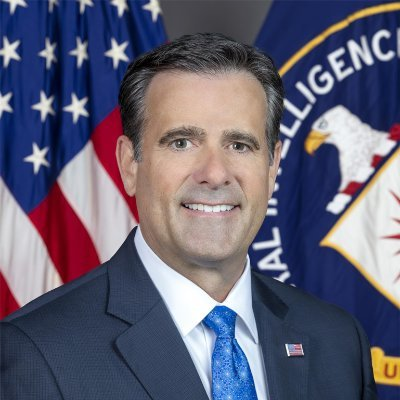
Iran has been reaching out to US adversaries like Russia and China for intelligence assistance, as disclosed by CIA Director John Ratcliffe during a Senate Intelligence Committee hearing. Ratcliffe highlighted the concerning trend of Tehran seeking strategic backing from other major powers. Lawmakers raised questions about the expanding scope of the Iran conflict and the potential risks of broader geopolitical involvement.
Ratcliffe emphasized that Iran remains a persistent and immediate threat, refuting any notion that Tehran has curtailed its nuclear or missile activities. He expressed worries about Iran’s missile program, cautioning that advancements in technology could enhance its missile capabilities, potentially enabling it to target the continental US. Ratcliffe stressed the importance of Operation Epic Fury in countering Iran’s missile production capabilities for national security.
Director of National Intelligence Tulsi Gabbard affirmed the intelligence community’s vigilance in monitoring Iran’s threats and providing continuous assessments to policymakers. Gabbard highlighted concerns about Iran’s ability to disrupt global energy supplies, citing historical threats to control the Strait of Hormuz. She underscored the intelligence community’s role in informing decision-making processes regarding Iran.
The discussions underscored lawmakers’ growing apprehension about the potential escalation of the conflict, particularly if Iran strengthens its coordination with nations like Russia and China. Despite these concerns, intelligence officials reiterated that the US had foreseen key aspects of Iran’s actions. Ratcliffe and Gabbard emphasized the ongoing threat posed by Iran to US interests and national security, emphasizing the evolving nature of the situation.
