


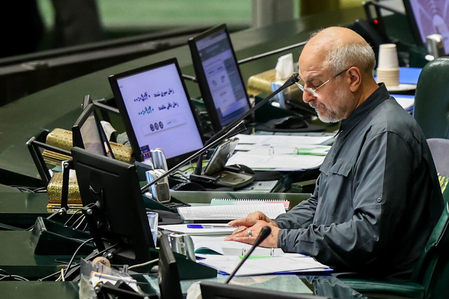
Iranian Parliament Speaker Mohammad Baqer Ghalibaf stated that Iran achieves concessions not through dialogue but with missiles. He emphasized that during negotiations, Iran only aims to make its positions clear. Ghalibaf, Tehran’s lead negotiator in peace talks with the United States, highlighted that Iran relies on actions, not words or guarantees, to measure trust. He underlined that Iran’s readiness for war is crucial for any agreement’s success, stating that the prepared party is the ultimate victor.
The Trump administration claimed success in bringing Iran to the negotiating table on its nuclear program through military and economic pressure. Treasury Secretary Scott Bessent mentioned that Iran is addressing issues previously unattended to by US administrations. Bessent praised President Trump for engaging Iran in discussions about its nuclear program and potential commitments to nuclear non-proliferation. The administration set three non-negotiable conditions for any agreement with Iran, including surrendering highly enriched uranium, renouncing nuclear weapon pursuits, and ensuring free navigation in the Strait of Hormuz.
Bessent also noted that the pressure on Tehran has disrupted the decision-making process within the Iranian government. He highlighted challenges in communication among the three pillars of the Iranian leadership: the elected government, the IRGC, and the clerics. Bessent emphasized the administration’s commitment to securing a beneficial deal for the American people, ensuring that no unfavorable agreements are reached.
