


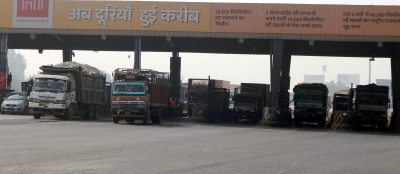
The investigation into the ISI’s CCTV camera espionage case uncovered plans to monitor toll plazas, in addition to railway stations and military sites. The ISI aimed to collect traffic and security data from toll plazas, potentially for orchestrating terror attacks. Officials suggest that such data could aid in targeting vehicles carrying essential goods, aiding terror groups and drug smugglers.
Gathering data from toll plazas is deemed crucial for terrorist operations, providing real-time information on security arrangements and vehicle movements. This data facilitates the movement of arms, drugs, and aids in planning ambushes or car bomb explosions. Recent investigations have exposed plans for a series of car bomb attacks in North India, highlighting the significance of toll plaza surveillance.
Over 1,000 operational toll plazas in India are equipped with CCTV cameras, with plans to enhance surveillance using solar-powered cameras. The espionage module, discovered by Ghaziabad police, aimed to install cameras at various locations, including railway stations and crowded areas. Notably, the module had successfully installed cameras at specific railway stations before being detected.
Following Indian armed forces’ actions against terror networks, the ISI adapted its strategy, resorting to low-cost intelligence-gathering methods. Operatives were paid to set up CCTV cameras at sensitive locations to stream live footage. This shift in tactics came after the collapse of traditional intelligence capabilities post Operation Sindoor, prompting a series of investigations that exposed multiple espionage modules within India.
