


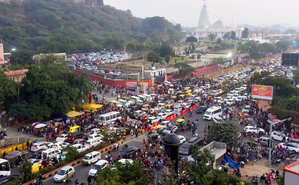
A comprehensive reform framework has been devised by the Jaipur Traffic Police to modernize the traffic management system in Jaipur city. This initiative, aligned with the Chief Minister’s vision, aims to enhance administrative efficiency. The plan includes increasing the number of Additional Deputy Commissioner of Police (Traffic) posts from 2 to 4, ensuring better decision-making and supervision.
The number of Assistant Commissioner of Police (Traffic) posts will also be doubled, from four to eight, with two designated to each police district. Moreover, the deployment of Traffic Inspectors will be increased from 15 to 20, with an average of five per district. To ensure effective traffic control, Jaipur city will be divided into 72 traffic beats, optimizing personnel deployment for quicker responses during peak hours.
To boost mobility and enforcement, Traffic Inspectors will receive 20 specially modified motorcycles for swift movement in congested areas. The integration of advanced technology will involve expanding CCTV camera installations linked to the Abhay Command Centre for real-time monitoring. Drones will be utilized for traffic surveillance and congestion assessment.
Implementation of the Intelligent Traffic Management System will be phased, with redesigned uniforms for Traffic Inspectors to enhance comfort and functionality. The first phase will focus on developing Tonk Road as a Model Traffic Corridor, emphasizing scientific redesign of U-turns, pedestrian footpaths, intersection improvements, and parking management.
Efforts will be made to remove encroachments on roads and footpaths, establish clear parking zones, and upgrade traffic signal systems for dynamic operation. A monitoring and evaluation mechanism will ensure the effectiveness of reforms, with an accountability framework and performance-based evaluation system for officials. These collaborative measures involving various departments and public cooperation are expected to significantly improve Jaipur’s traffic management system.
