


A team of Japanese researchers is set to conduct clinical trials to test the effectiveness of a vaccine against the deadly Nipah virus in humans. The vaccine, developed at the University of Tokyo, will undergo trials in Belgium starting in April. This vaccine could be a significant advancement in combating a disease with a high fatality rate ranging from 40% to 75%.
The Nipah virus currently has no licensed vaccine or specific treatment available. Despite this, India recently confirmed two cases of Nipah virus in West Bengal in January. The new vaccine being developed involves incorporating a segment of the Nipah virus’s genetic material into the measles virus.
The vaccine aims to trigger the production of antigen proteins similar to those of the Nipah virus in humans, enhancing the immune system’s response and strengthening the body’s defenses. The team has already demonstrated the vaccine’s safety and efficacy in animal trials involving hamsters.
In a bid to ensure the vaccine’s safety for human use, a Phase 1 clinical trial with 60 participants is planned. Meanwhile, Oxford University’s team has initiated Phase 2 clinical trials for a Nipah vaccine candidate in Bangladesh, with around 300 individuals expected to take part.
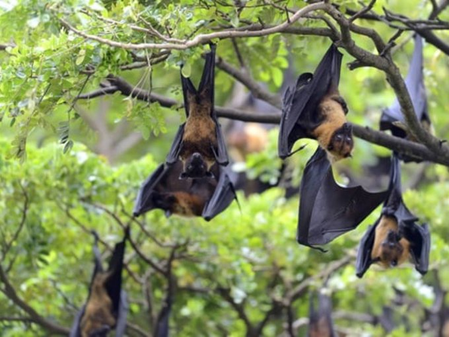
Nipah virus infection has been recognized as a priority disease under the World Health Organization’s Research and Development Blueprint. The virus, primarily transmitted from bats to humans, can also spread through contaminated food or from animals like pigs. In humans, the infection can lead to a range of symptoms from mild illness to severe respiratory issues and fatal encephalitis.
