


Japan has been advised to continue challenging China’s narrative of “new militarism” and adjust its approach towards Beijing to prepare for a potential prolonged conflict, as per a report by Japan News. The report highlighted China’s strong reaction to Prime Minister Sanae Takaichi’s comments regarding a possible Taiwan contingency, leading to increased pressure on Japan and the use of “new militarism” as part of cognitive warfare to shape international opinion.
The report cautioned that China is likely to persist in labeling Japan with terms like “new militarism” and accusing it of openly challenging the post-war international order. To counter this, Japan is recommended to provide timely rebuttals and expand its network of supportive allies to prevent the global community from unquestioningly accepting Chinese propaganda.
China initiated the use of the term “new militarism” towards the end of the previous year, with the Foreign Ministry introducing it during a press conference on December 26. Responding to Japan’s defense budget for 2026, a Chinese spokesperson emphasized the importance of collaboration with peace-loving nations to resist any attempts at reviving militarism.
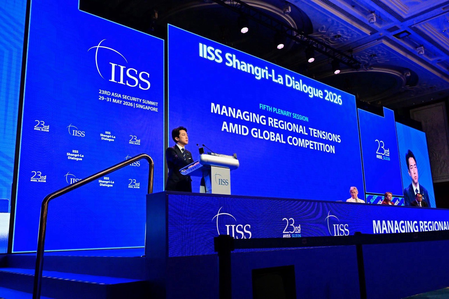
During the Asia Security Summit, Japanese Defence Minister Shinjiro Koizumi refuted accusations of “new militarism” by highlighting Japan’s lack of nuclear weapons and strategic bombers compared to other countries. Koizumi emphasized the need for open dialogue amid differing perceptions and tensions between nations, underscoring Japan’s willingness to engage in direct and honest discussions with China.
The report underscored the contrast in approaches between China, which focuses on criticizing Japan, and Japan, which actively challenges China’s assertions while advocating for dialogue. Koizumi stressed the importance of countering falsehoods and maintaining a commitment to truthful communication to prevent misinformation from gaining traction.
