


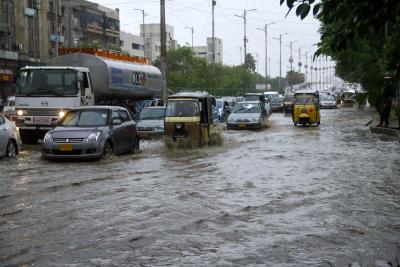
Pakistan’s Karachi has been ranked as the world’s fourth least liveable city on the Economist Intelligence Unit’s annual Global Liveability Index 2026, placing it 170th among 173 cities. The ranking assesses indicators like healthcare, stability, culture, environment, education, and infrastructure. Karachi received an overall ranking of 43 out of 100, scoring low in stability, healthcare, culture and environment, education, and infrastructure.
Among the most liveable cities, Copenhagen secured the top spot, followed by Vienna and Melbourne. Residents in Karachi faced challenges in preparing meals for Ashura due to gas and electricity outages. K-Electric claimed to exempt some areas from loadshedding, but many still experienced power cuts during religious gatherings.
Gas supply shortages, especially during iftar, led to difficulties in cooking, while water shortages resulted from power outages affecting pumping systems. Social media complaints highlighted the failure of utility services to provide uninterrupted gas and electricity during crucial times. Karachi also witnessed a surge in street crime, with numerous vehicle thefts, mobile phone robberies, and violent incidents reported.
Data revealed a significant increase in car and motorcycle thefts, mobile phone snatching, murders, and extortion cases in Karachi. The city faced challenges related to crime and security during the assessed period, reflecting broader concerns about safety and liveability.
