


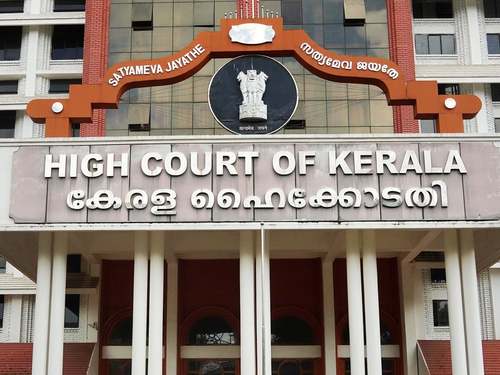
The Kerala High Court has taken suo motu cognizance of the widespread violence that occurred during a statewide shutdown organized by Dalit groups in response to the death of BDS student Nithin Raj. At least 27 cases have been reported across the state, leading the court to request a response from the police chief. By afternoon, 91 individuals had been arrested in connection with various incidents like clashes, road blockades, and disruptions to public transport during the strike.
The shutdown was called following allegations that Nithin Raj, a first-year student at Kannur Dental College, died by suicide after facing caste-based harassment by faculty members. Protesters have demanded a murder investigation, the arrest of the accused, a compensation of Rs 10 crore for the family, and the revocation of the college’s accreditation. Legal actions are ongoing, with the police filing cases against two faculty members under laws related to abetment of suicide and the SC/ST (Prevention of Atrocities) Act.
The Kerala High Court’s involvement holds significance, especially considering its previous rulings that effectively prohibited shutdowns and held organizers responsible for damages and violence. The court has instructed the State to submit detailed reports and scheduled further hearings on May 1. This incident has once again highlighted Kerala’s frequent ‘hartals’ (shutdowns) that disrupt normal life, prompting debates on the impact of such protests on public welfare, economic activities, and individual freedoms.
Critics argue that these coercive shutdowns not only disrupt daily life but also jeopardize economic activities and civil liberties. With the judiciary now actively engaged, the focus shifts towards accountability for both the events leading to the student’s demise and the violence that unfolded during the protests.
