


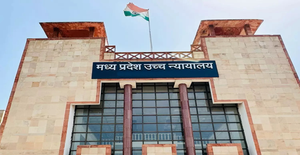
The Madhya Pradesh High Court in Indore strongly criticized the state government’s handling of the contaminated drinking water issue in Bhagirathpura, calling it a serious matter that has damaged the reputation of India’s cleanest city. The court noted the government’s apparent insensitivity to the problem, which extends beyond Bhagirathpura to affect other parts of the city and the entire state.
A bench consisting of Justice Vijay Shukla and Alok Awasthi addressed a series of public interest litigations related to the outbreak that has resulted in deaths and widespread illnesses. The court instructed the Chief Secretary of Madhya Pradesh to appear virtually on January 15 to explain the actions taken, emphasizing that access to safe drinking water is a fundamental right under Article 21 of the Indian Constitution.
The petitioners requested the establishment of civil and criminal responsibilities, the formation of a high-level inquiry committee, and comprehensive relief measures. The court reiterated that the right to clean drinking water falls under the fundamental right to life and outlined various categories of relief measures to address the situation effectively.
In interim orders, the court directed the state and municipal corporation to provide clean water at government expense, halt the use of contaminated sources, and offer free treatment in designated hospitals. Long-term prevention strategies included engaging accredited laboratories for testing, replacing pipelines near sewer lines, and implementing online water quality monitoring systems. The authorities were required to submit a detailed status report before the next hearing.
The Municipal Corporation assured the court of ongoing tanker supplies and quality medical care for affected individuals. The court expressed disappointment over the crisis in a city known for its cleanliness, emphasizing the need for prompt action and preventive measures to avert such emergencies. The petitioners highlighted the persistent unfitness of water supply in Bhagirathpura and the lack of response to residents’ complaints, underscoring the importance of timely interventions to prevent such crises.
