


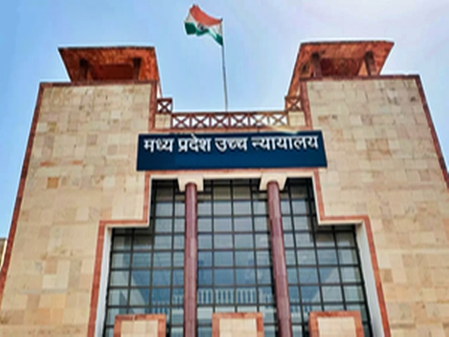
The Madhya Pradesh High Court has introduced guidelines to conserve fuel within the state’s judicial system. The directives urge judicial officers, court staff, and advocates to implement practices like vehicle pooling, public transport usage, and video conferencing without disrupting court operations. These guidelines, issued by the Registrar General under the Acting Chief Justice’s directives, are applicable to the High Court’s Principal Seat in Jabalpur, as well as its benches in Indore and Gwalior, and all district and subordinate courts in the state.
Authorities have specified that government vehicles linked to courts should be utilized solely for judicial and administrative purposes. To optimize vehicle usage and minimize unnecessary fuel consumption, officials are required to develop transport plans based on routes and localities. Special circumstances like emergencies, security needs, protocol duties, or medical requirements will warrant separate vehicle arrangements, while advocates and court employees are encouraged to embrace public transport, carpooling, and two-wheeler pooling whenever feasible.
Additionally, the advisory recommends leveraging shared transport options such as mini-buses and Traveller vans on routes with high commuter traffic. This initiative follows Justice Dwarka Dhish Bansal’s notable act of cycling from his official residence in Jabalpur to court, advocating fuel conservation and environmental consciousness. The High Court underscores the importance of technology adoption to curtail travel, advising lawyers to present cases via video conferencing when possible and conduct administrative meetings virtually.
For effective implementation, the Registry mandates daily monitoring of fuel consumption by official vehicles. Vehicle deployment will align with operational needs and priorities, with regular assessments planned to ensure guideline adherence. The High Court clarifies that these measures are temporary and align with national fuel conservation objectives. The guidelines aim to sustain seamless judicial proceedings and administrative functions while promoting prudent public resource utilization.
