


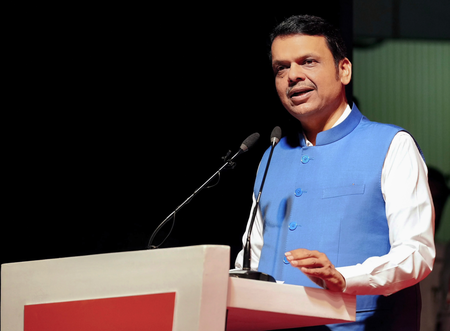
The Maharashtra government has introduced the ‘Punyashlok Ahilyadevi Holkar Farmer Loan Waiver Scheme 2026’ worth Rs 36,585 crore. Minister for Co-operation Babasaheb Patil unveiled a list of eligible beneficiaries in seven districts during a press conference. This initiative, led by Chief Minister Devendra Fadnavis, aims to provide loan waivers of up to Rs 2 lakh to around 56 lakh farmer families.
Highlighting the scheme’s objectives, Minister Patil emphasized its focus on easing financial burdens for farmers and enabling them to resume agricultural activities with vigor. The scheme, approved in a Cabinet meeting on June 2, 2026, underwent some revisions through a Government Resolution on July 15, 2026. To facilitate the loan waiver and One Time Settlement (OTS) processes, 53 banks, including District Central Cooperative Banks (DCCBs), nationalized banks, and private banks, uploaded farmer loan details onto a dedicated portal developed by MahaIT.
The eligibility criteria were strictly enforced, with ineligible applicants such as public representatives, government employees, and office bearers of cooperative institutions being excluded. Following a digital analysis, a final list of 532 eligible beneficiaries across seven districts was released. Farmers will be notified via SMS for Aadhaar authentication and can access beneficiary lists at local Gram Panchayats, Primary Agricultural Credit Societies (PACS), and bank branches.
Each beneficiary will receive a unique identification number for Aadhaar authentication, which can be completed using either the Aadhaar number or the assigned ID. The relief amount will be transferred directly to the beneficiaries’ loan accounts through Direct Benefit Transfer (DBT) upon successful authentication. The process for eligible beneficiaries in District Central Cooperative Banks is set to conclude by July 31, 2026, followed by the disbursement process for commercial bank accounts.
Minister Patil commended the Co-operation Department officials for their dedication and efficient coordination in implementing this significant welfare scheme, ensuring its prompt execution at the district level.
