


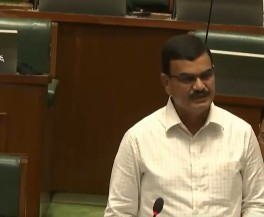
In a significant move, the Maharashtra government has proposed a new law called “The Maharashtra Women Farmers Empowerment Act, 2026” to revamp the state’s agricultural sector. The bill, presented by State Agriculture Minister Dattatraya Bharane, aims to address the historical neglect of female agricultural workers by granting them formal recognition and dedicated welfare funds. Traditionally, agricultural systems have overlooked women, especially those who work on family or community lands without formal titles.
To rectify this disparity, the bill introduces the concept of issuing formal “Woman Farmer Certificates” to recognize and empower women actively engaged in various agricultural activities. The proposed law expands the definition of “farmer” to include women residents of Maharashtra involved in core farming practices like cultivation, livestock rearing, fisheries, and agro-forestry, among others. It also ensures that women engaged in agricultural work for at least one season per year are included, regardless of their land ownership status.
Furthermore, the bill mandates the establishment of the Maharashtra State Fund for Women Farmers, which will be funded through various sources including the state’s consolidated fund, central government grants, and public or private donations. This fund is designated to support welfare programs, provide credit facilities, develop a specialized database, and enhance training programs tailored specifically for women farmers.
In addition to financial provisions, the bill sets up an accountability framework through a Women Farmers Empowerment Cell and a State Monitoring Committee. It also outlines mechanisms for local governance and dispute resolution using Gram Sabhas and designated “Appellate Officers” to ensure smooth registration and grievance handling in rural areas. By linking identity certifications to state funding, the Maharashtra government aims to uphold equitable resource allocation principles and promote gender-sensitive policies in the agricultural sector.
Chief Minister Devendra Fadnavis highlighted that women constitute a significant portion of Maharashtra’s agricultural workforce, yet existing policies often overlook their contributions. Due to the focus on land ownership in accessing benefits, many women farmers are excluded from government schemes. The new legislation seeks to address this gap by recognizing women involved in various agricultural activities and ensuring their access to essential resources and support systems.
