


Amid discussions on growth and governance at Davos, Maharashtra’s presence at the World Economic Forum has become a significant economic and political topic. The state signed 19 MoUs amounting to Rs 14.5 lakh crore on the summit’s first day, potentially creating over 15 lakh jobs. These agreements align with Maharashtra’s long-term vision of “Viksit Maharashtra 2047.”
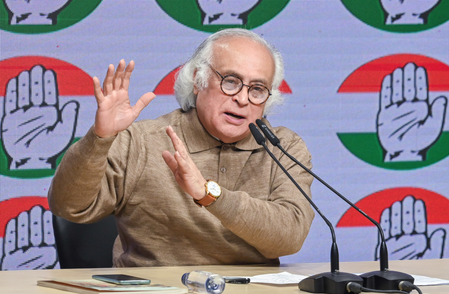
Chief Minister Devendra Fadnavis emphasized positioning the state as a center for infrastructure development and industrial progress. However, political scrutiny arose when Congress leader Jairam Ramesh questioned an MoU signed with a company linked to a minister in Fadnavis’ cabinet. Ramesh’s query aimed to spark a broader discussion on the circumstances and implications of the agreement.
While the comment was more of a conversation starter than an accusation, it injected a political dimension into what was primarily an economic milestone. The online discourse expanded, with observations about political figures from other states attending Davos, hinting at selective scrutiny of international forums for political gains.
Despite the political chatter, Maharashtra’s investment drive continued vigorously, particularly in infrastructure and urban development sectors. Several prominent businesses showed strong confidence by committing to significant investments. As Davos conversations delve into advanced technologies and green initiatives, political dialogues are expected to persist in India. Observers note the competition among Indian states on the global stage, where development objectives, diplomacy, and political narratives coexist.
