


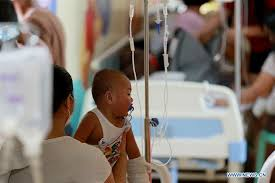
Bangladesh is facing a measles outbreak that has resulted in the deaths of 118 individuals, predominantly children, as reported by the country’s Directorate General of Health Services. These fatalities have occurred since March 15, with five deaths recorded in the 24-hour period ending Monday morning. Currently, 2006 suspected measles patients, mostly children, are under treatment in hospitals nationwide.
At Rajshahi Medical College Hospital (RMCH), two more children have passed away with symptoms of an infectious disease, bringing the total number of such deaths at the facility to 42. Hospital spokesperson Shankar Kumar Biswas confirmed these recent fatalities, which happened within a 24-hour span from Sunday to Monday morning, as per the Bangladeshi daily Dhaka Tribune.
Experts have expressed concerns that without systemic reforms, the emergency measures being implemented to control the measles outbreak may not yield significant benefits. Benazir Ahmed, a health expert and former director of disease control at the DGHS, highlighted that the sudden cancellation of a vaccination funding program by the previous interim government led to a measles vaccine crisis, resulting in the deaths of many children.
The cancellation of a special immunization campaign planned for late 2024, coupled with disruptions in the regular vaccination program due to worker strikes in 2025, has further exacerbated the situation. Health officials have noted that the Expanded Programme on Immunisation (EPI) had to ration vaccines in some regions since January due to a shortage of funds.
Public health expert Mushtaq Husain emphasized the need for systemic reform in the health sector to ensure sustainable progress, despite the government’s emergency vaccination efforts to control the surge in measles cases and deaths. Experts are urging immediate government action to prevent a widespread measles outbreak, cautioning that one infected patient can potentially transmit the disease to 16 to 18 individuals.
