


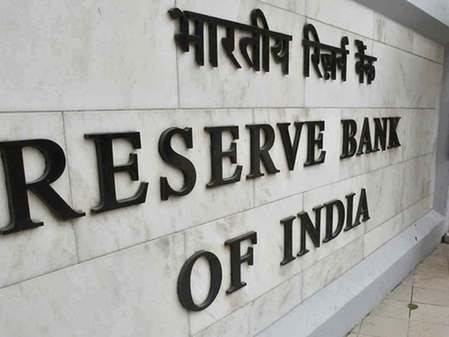
The Bank of Baroda report suggests that due to the Middle East conflict and rising oil prices, the Reserve Bank of India is likely to maintain the policy repo rate at 5.25 per cent in the upcoming April 2026 MPC meeting. The report indicates that the current economic scenario signals the end of the rate cut cycle, with RBI expected to adopt a prolonged pause strategy. It also mentions that the central bank may introduce targeted measures to bolster liquidity and support the rupee.
If inflation surpasses the upper tolerance band of 6 per cent, the report anticipates a potential rate hike towards the end of the year. The report highlights that the impact of the ongoing conflict on growth and inflation will become more apparent in the next few months. It suggests that RBI will assess this situation before determining the future direction of its rate trajectory.
The recent disruptions in energy supplies due to the US-Iran conflict, leading to the closure of the Strait of Hormuz and oil prices exceeding $100 per barrel, have added to market volatility. This situation has also contributed to significant pressure on FPI outflows from India, resulting in record-low bond yields and the INR touching 94.83 per USD. The report emphasizes that the global repercussions of the conflict will affect growth and inflation, with potential implications for India, prompting RBI to potentially revise its GDP and inflation forecasts for FY27.
The latest monthly economic bulletin released by the CEA has warned of a significant widening of the current account deficit in FY27. The Bank of Baroda projects a GDP growth rate of 7.6 per cent for FY26, with growth for FY27 expected to range between 7-7.2 per cent. Additionally, the bank cautions that the current account deficit is likely to expand.
