


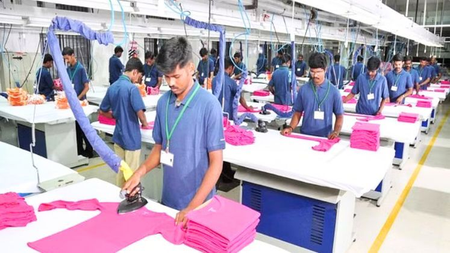
The town of Tirupur in Tamil Nadu is experiencing a rise in political sway by migrant laborers, potentially impacting the upcoming Assembly elections with their substantial and assertive voting bloc. Drawn by job prospects in the textile industry, migrants from states like Bihar, Uttar Pradesh, and Jharkhand have settled in large numbers in Tirupur, becoming a vital part of the local electorate, notably in Tirupur North and Tirupur South constituencies.
While migrant workers’ voting patterns may vary between parliamentary and Assembly elections, their decisions are influenced by livelihood issues and access to basic amenities, reflecting both local and national concerns. A key demand among them is better railway connectivity to their home states, a recurring topic in their discussions with political leaders.
Recognizing the increasing electoral importance of migrant workers, political parties, both regional and national, have adjusted their campaign strategies to effectively engage with this demographic. Campaigns in Hindi and targeted outreach initiatives have been employed to bridge language barriers and communicate welfare measures, such as free bus travel for women and other social welfare programs, to connect with migrant families.
In the final campaign phase, several Union ministers visited Tirupur to directly interact with migrant workers, underscoring the significance attached to this voter group. These engagements often served as platforms for workers to express their grievances, particularly emphasizing the need for improved transport infrastructure linking Tamil Nadu with northern India.
However, this political focus coincides with growing economic challenges in the textile sector, including a slowdown in global demand and disruptions due to factors like geopolitical tensions in West Asia. Shortages of essential inputs like LPG have further hampered operations, leading to job losses and prompting some migrant workers to return to their home states.
As Tirupur gears up for elections, the hopes and concerns of migrant laborers could wield significant influence. Their collective voice, shaped by economic hardships and political awareness, may steer the course of this industrial hub’s political landscape.
