


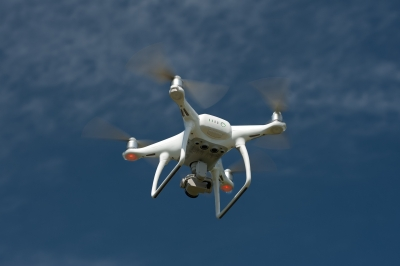
The Northeastern states have faced prolonged insurgency due to external influences, with recent reports indicating militant groups attempting drone strikes on vital infrastructure in the region. Since 2014, the Modi government has focused on developing the Northeast, but some elements persist in fueling insurgency, as per an Intelligence Bureau official. Myanmar poses a significant challenge for India, serving as a training ground for insurgent groups and now a source of drone-related security concerns.
Many banned insurgent groups, including ULFA, NSCN, and Kuki Zo-aligned outfits, have acquired expertise and technology to launch precision drone strikes on critical infrastructure established post-2014. Notably, targets include oil refineries, military installations, dams, and assets like the Assam Rifles and Army posts near the Manipur-Myanmar border. The Indian Air Force bases at Tezpur and Chabua are also at risk, with recent arrests shedding light on foreign involvement in destabilization efforts in the region.
The arrested foreign nationals, including Ukrainians and an American, are under investigation by the National Investigation Agency (NIA) for allegedly supporting armed ethnic groups along the India-Myanmar border. These groups, linked to northeastern insurgents, are equipped with advanced technology and aim to disrupt peace by targeting high-value infrastructure. The NIA is also examining past incidents, such as the use of drones by Kuki militants in Manipur, emphasizing the need to dismantle such terror networks promptly.
Insurgent groups are eyeing ONGC oilfields in Assam and Arunachal Pradesh, as well as hydroelectric projects in Manipur and Mizoram for potential strikes, posing risks of economic disruption and power outages. The recent arrests have potentially averted catastrophic events, but ongoing investigations are crucial to thwart future attacks and safeguard developmental progress in the region.
