


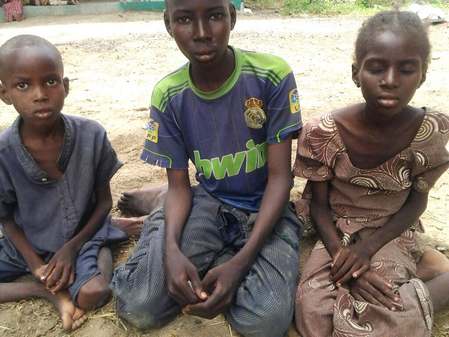
Millions of people in Nigeria are preparing for a challenging lean season due to conflict, violence, and insecurity, according to UN humanitarians. The UN Office for the Coordination of Humanitarian Affairs highlighted economic pressures and funding constraints pushing Nigerian families to the edge. Nearly 35 million people, approximately one in seven across Nigeria, are expected to experience acute food insecurity from June to August, making it one of the world’s largest hunger crises, particularly impacting northern Nigeria.
The UN Humanitarian Country Team in Nigeria warned that delayed assistance could lead to families further reducing meals, selling assets, and pulling children out of school. Acute malnutrition is also a concern, with an estimated 6.4 million children at risk in northwest and northeast Nigeria this year. The United Nations and its partners are urgently seeking additional funding to expand life-saving aid efforts.
UN Secretary-General Antonio Guterres recently urged swift action from the international community to address conflicts and climate challenges affecting African nations. Guterres emphasized that conflicts, climate emergencies, and systemic imbalances hinder Africa’s path to a peaceful and prosperous future. He called for an end to hostilities in Sudan, eastern Democratic Republic of the Congo, and South Sudan, stressing the need for dialogue, cooperation, and stronger local institutions for lasting peace.
Guterres also highlighted the impact of conflicts in the Middle East on African stability, particularly the closure of the vital Strait of Hormuz. He underscored the importance of restoring navigational rights, reopening the strait safely, and avoiding actions that could escalate conflicts. Guterres emphasized the urgency of de-escalation to prevent disruptions to global supply chains, which could severely affect African countries heavily reliant on oil imports.
