


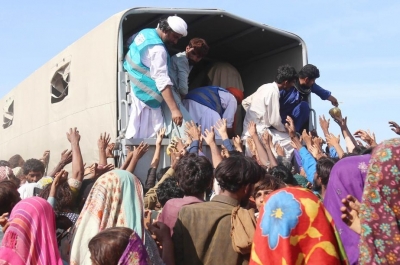
A recent United Nations report highlights that approximately 7.5 million individuals in Pakistan are grappling with severe food insecurity and malnutrition following a year marked by devastating monsoon floods, prolonged drought, dry spells, and increased violence.
The report indicates that from December 2025 to March 2026, about 1.25 million people will confront ’emergency’ levels of acute food insecurity, characterized by significant food shortages and high levels of acute malnutrition, necessitating urgent life-saving aid to avert a potential catastrophe.
Factors such as residual impacts of the 2025 monsoon floods, drought, local insecurity, seasonal challenges, and economic constraints have collectively weakened agricultural and pastoral livelihoods, reduced production, affected markets, and strained coping mechanisms.
Food access challenges persist in various parts of Pakistan due to issues like weak purchasing power, market dependency, price fluctuations, and indebtedness, with wheat flour emerging as a particular concern during lean seasons.
A recent poll by Gallup Pakistan revealed a concerning trend where household spending in Pakistan has shifted towards meeting living expenses rather than food costs over the past two decades, indicating a growing struggle to afford basic necessities like food and education.
