


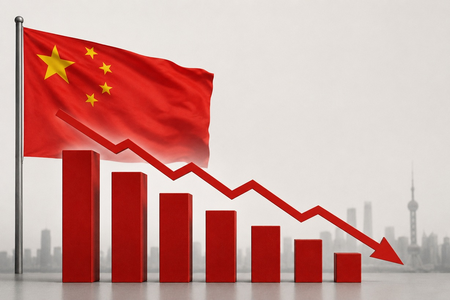
About 100 million Chinese consumers are facing difficulties in repaying personal debt, indicating a significant financial strain that could impact Beijing’s efforts to boost domestic consumption and support economic growth. Reports referencing Gavekal Dragonomics revealed that non-performing household debt in China surged by 21% year-on-year, reaching a record 2.22 trillion yuan (approximately $329 billion) in 2025. This data suggests that approximately 10% of China’s adult population, totaling 1.1 billion, had fallen behind on debt payments by the end of the previous year.
The rise in defaults on credit cards, consumer loans, and mortgages has become a pressing issue for the world’s second-largest economy, raising concerns about the weakening financial positions of households. This debt burden is restraining consumer spending, leading banks to adopt a more cautious approach in issuing new loans despite government initiatives to stimulate demand. Over the past decade, China’s household debt has nearly tripled to around 83 trillion yuan, partly fueled by the rapid expansion of digital lending platforms operated by major tech firms.
Online lenders have significantly increased consumer credit by providing instant loans and simplified borrowing procedures, especially targeting younger consumers. To address the escalating problem, Chinese authorities have initiated measures. The People’s Bank of China rolled out a credit-amnesty program last year to assist specific borrowers in restoring their credit records post-settlement of overdue debts. Notably, the NPL ratio for credit card debt at Industrial & Commercial Bank of China, the country’s largest lender with over 145 million active credit cards, rose by more than a percentage point to 4.61% last year, surpassing the bank’s overall NPL ratio of 1.31%.
Regulators have urged online lending platforms to reduce borrowing costs and enhance risk management as worries mount over the increasing delinquencies in consumer loans. The escalating debt pressure coincides with China grappling with challenges such as weak domestic demand, a prolonged property market downturn, and declining consumer confidence.
