


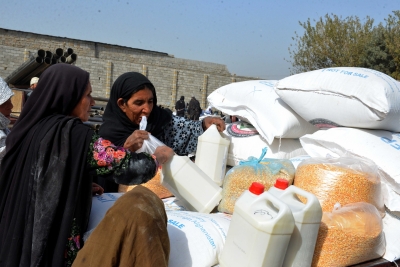
Over 10.7 million women and girls in Afghanistan require humanitarian aid in 2026, as per the United Nations Office for the Coordination of Humanitarian Affairs (OCHA). They are significantly impacted by the ongoing humanitarian crisis in the country, facing restrictions on movement, education, and employment that limit their access to essential services. Afghanistan also grapples with one of the highest maternal mortality rates globally, with an estimated 638 maternal deaths per 100,000 live births in 2024.
The health sector in Afghanistan is under strain due to shortages of women health workers, reduced funding, and limited access to essential medicines. Gaps in emergency obstetric care are contributing to preventable maternal and neonatal deaths, especially in rural areas with restricted healthcare access, according to the OCHA report. Restrictions on girls’ education pose risks to the healthcare sector by potentially reducing the future availability of female doctors, nurses, and midwives.
The OCHA highlighted that over 25,000 female teachers and health workers in Afghanistan could be lost by 2030 if current restrictions on girls’ education persist. Additionally, the agency previously stated that 16 million people in Afghanistan will require access to clean water and sanitation services in 2026. Water scarcity in the country is increasing health risks for children and impacting daily life, compelling people to adopt coping mechanisms amid worsening conditions.
Afghanistan has been grappling with recurring droughts, inadequate water infrastructure, and poverty, leading to water scarcity issues for millions of people. Humanitarian agencies emphasize that climate-related challenges are further straining vulnerable communities in Afghanistan. The country’s humanitarian crisis is exacerbated by economic challenges, food insecurity, and a decrease in international aid, limiting the expansion of water, sanitation, and hygiene services in various regions.
