


The Mumbai Metropolitan Region Development Authority (MMRDA) unveiled its Budget for the financial year 2026–27, totaling Rs 48,072.57 crore, marking its first surplus Budget since 2017–18. This turnaround follows a deficit of Rs 7,468 crore in 2024-2025, showcasing a significant financial improvement. The surplus is attributed to land monetisation, strengthening of the Urban Transport Fund, enhanced project-linked revenues, and capital mobilisation through international partnerships.
Of the total expenditure of Rs 42,026.14 crore, 87.42% has been earmarked for development projects and schemes, underscoring MMRDA’s dedication to substantial capital deployment. The proposed Budget outlay of Rs 48,072.57 crore represents a 58.57% increase from the revised estimate for 2025–26, signaling a substantial financial commitment to development initiatives.
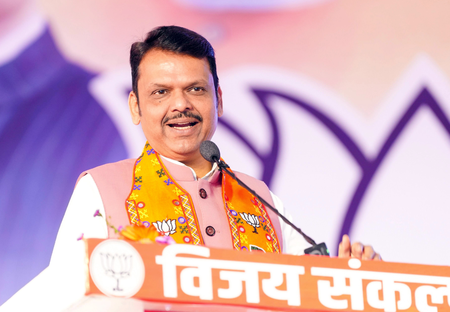
The Budget for 2026–27 signifies a strategic regional transformation plan encompassing mobility integration, economic decentralisation, water security, climate resilience, and housing reform. Chief Minister Devendra Fadnavis praised the surplus Budget as a significant institutional achievement, reflecting global investor confidence and a vision for long-term infrastructure-led growth.
Deputy Chief Minister and Chairman of MMRDA, Eknath Shinde, highlighted the Budget’s focus on project allocation, emphasizing transparent and accountable governance. The Budget also prioritizes economic decentralisation through structured urban expansion under the Growth Hub framework, aiming to attract global investments and create employment opportunities.
MMRDA’s Metropolitan Commissioner, Sanjay Mukherjee, attributed the surplus Budget to fiscal discipline, strategic capital mobilisation, and consistent infrastructure delivery. The Budget underscores a shift from financial strain to stability while sustaining development momentum. The allocation towards high-capacity underground mobility infrastructure and multi-ring road strategy aims to enhance connectivity, decongest urban areas, and support economic growth corridors.
