


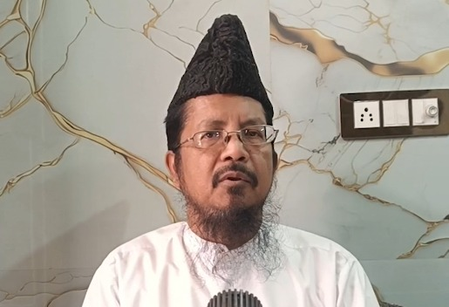
All India Muslim Jamaat Chief, Maulana Shahabuddin Razvi Barelvi, criticized the Samajwadi Party’s demand for a separate reservation for Muslim women, labeling it as politically motivated. He reiterated his support for the Women’s Reservation Bill, which suggests a 33% quota for women in Legislatures. Barelvi welcomed Prime Minister Narendra Modi’s proposal to boost women’s representation through constitutional amendments.
In response to the Samajwadi Party’s stance, the Muslim cleric highlighted that their push for a distinct quota for Muslim women reflects opposition politics rather than genuine empowerment concerns. He emphasized that Islamic views on the active involvement of Muslim women in politics are intricate, noting challenges related to dignity, safety, and modesty in the current political landscape.
Barelvi pointed out that while Muslim women possess full voting rights and constitutional independence, Islam discourages them from being deeply involved in politics due to concerns about dignity and security. He clarified that the decision to engage in politics should be a personal choice, underscoring the Islamic perspective on the matter.
Regarding Union Home Minister Amit Shah’s criticism of the Samajwadi Party, the All India Muslim Jamaat Chief suggested that such remarks should be accompanied by tangible actions for the welfare of Muslim women. In contrast, Shahi Mufti of Uttar Pradesh, Maulana Chaudhary Ifraheem Husain, disagreed with Barelvi, asserting that Islam does not prohibit women from participating in public life. Husain emphasized that women have equal rights in consultation and societal matters without any restrictions.
The divergent opinions between the two clerics reflect a broader discourse within the Muslim community concerning women’s role in politics. Despite their disagreements on Muslim women’s political participation, both leaders supported the Women’s Reservation Bill, advocating for increased female representation in legislative bodies.
