


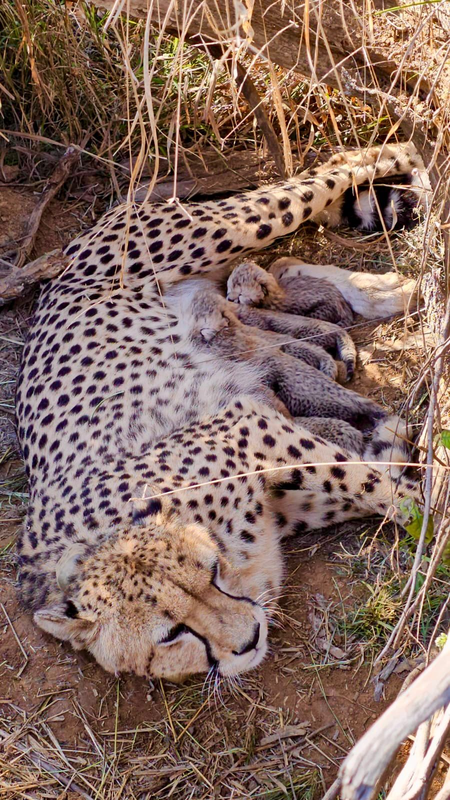
The Namibian Cheetah named Jwala has welcomed five cubs at the Kuno National Park in Madhya Pradesh, bringing India’s cheetah population to 53, as announced by Union Environment Minister Bhupender Yadav. This event signifies a significant achievement for India’s Project Cheetah, showcasing a steady increase in the numbers of these endangered felines. The Minister shared pictures of the newborn cubs at the Kuno National Park, the initial site for the translocation of cheetahs from African nations under the reintroduction program.
Days earlier, the ongoing Project Cheetah initiative in India saw the introduction of nine cheetahs from Botswana, with six females and three males released into the Kuno National Park on March 1. This international operation involved transporting the cheetahs from Botswana to India via an Indian Air Force Boeing C-17 Globemaster III. Notably, India’s indigenous cheetah count has surpassed 30, marking a significant milestone in the country’s big cat restoration efforts.
Bhupender Yadav highlighted the increase in Indian-born thriving cubs, now totaling 33, with Jwala’s five new cubs marking the 10th successful cheetah litter on Indian soil. This progress underscores the dedication and hard work of veterinarians, field staff, and all involved in the conservation efforts. The Minister expressed hopes for Jwala and her cubs to thrive and contribute to India’s cheetah conservation legacy.
In a separate instance, another Namibian cheetah named Astha gave birth to five cubs on February 7 at the Kuno National Park, further adding to the number of surviving Indian-born cubs, which now stands at 24.
