


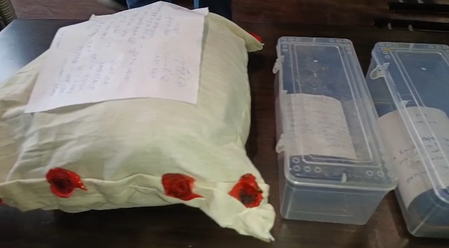
The Narcotics Control Bureau’s Guwahati and Imphal units are escalating efforts against narcotics cartels operating from Myanmar. These cartels, a significant security threat, have altered their smuggling methods as enforcement tightens between Myanmar and India. Traffickers now navigate dense forests and riverine areas to avoid detection, a shift from conventional routes.
Law enforcement faces challenges dismantling these routes due to the rugged India-Myanmar border terrain. Traffickers exploit darkness and adverse weather conditions to move consignments discreetly. The complex supply chain involves multiple layers, making detection and investigation intricate, especially as drugs flow from Myanmar to Assam and Manipur.
The intricate network includes cross-border couriers, transport coordinators, local facilitators, and consignment receivers. Illicit finances are managed by individuals off the agencies’ radar, collecting money from receivers and channeling it back to the cartels. Unlike the technology-driven trafficking along the India-Pakistan border, Myanmar-based cartels rely on human couriers and traditional networks, posing a complex challenge for authorities.
The recent arrest of Nengzatuan, a key international supplier from Myanmar, in Manipur has bolstered NCB’s operations. His interrogation is expected to unveil crucial insights into the logistics network of Myanmar-based drug cartels, aiding in disrupting their supply chain. Tuanpi’s arrest signifies a breakthrough in combating narcotics flow into India and understanding the subsequent international drug trade routes.
