


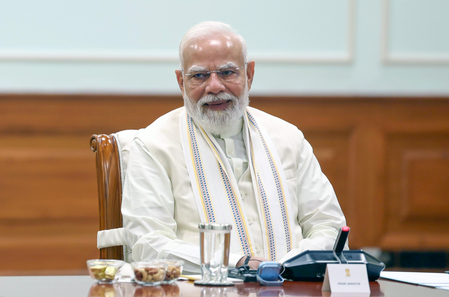
On June 9, 2024, Narendra Modi was sworn in for his third term as Prime Minister after the National Democratic Alliance’s victory in the general elections. During his 2014 campaign, Modi, then Chief Minister of Gujarat, highlighted the urgent need to combat terrorism, a pressing issue due to frequent bomb attacks in India by the Indian Mujahideen.
Modi assured that if elected, his government would tackle terrorism decisively. In October 2013, a tragic incident occurred during the BJP’s Hunker Rally in Patna, where 17 improvised explosive devices caused casualties. Despite the chaos, Modi remained composed, emphasizing unity over divisive rhetoric.
The dismantling of the Indian Mujahideen became a top priority for PM Modi once in power. Notably, the arrest of the outfit’s mastermind, Yasin Bhatkal, in late 2013 marked the beginning of its downfall. Under Modi’s leadership between 2014 and 2017, significant efforts led to the complete eradication of the Indian Mujahideen.
Modi’s government introduced targeted amendments to the Unlawful Activities (Prevention) Act, empowering authorities to designate individual terrorists and target their financial networks. Through strategic measures, including modernizing security agencies and cracking down on illicit financial channels, the Indian Mujahideen’s operations were severely disrupted.
Under Modi’s administration, a shift towards proactive policing and intelligence gathering significantly weakened the Indian Mujahideen’s bases in various cities. The government’s firm stance on terrorism extended to banning radical groups and disrupting their recruitment networks, ultimately leading to the collapse of homegrown terror outfits in India.
