


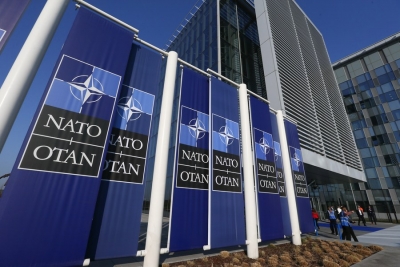
As NATO leaders gather in Ankara this week, the alliance aims to show unity despite disagreements on strategic priorities, defense spending, and its long-term goals. The summit, scheduled for Tuesday and Wednesday, occurs amidst differing views on recent US military actions against Iran and ongoing debates on defense spending targets. Following US and Israel military strikes on Iran, NATO allies expressed political support but refrained from direct involvement, leading to criticism from President Trump.
The reluctance of NATO members to participate directly in US-led operations in the Strait of Hormuz drew sharp remarks from President Trump, who accused European allies of benefiting from US security guarantees without sharing military risks. European nations, cautious of regional stability and potential repercussions, opted to avoid direct military engagement. Analysts suggest that Europe’s wariness stems from past conflicts in Iraq, Afghanistan, and Libya, emphasizing the need for international legitimacy and clear objectives in military actions.
A key agenda at the summit is the implementation of defense spending commitments made at the previous NATO Summit, aiming for 5% of GDP by 2035. This target, part of the “NATO 3.0” strategy to shift defense responsibilities to European states, faces skepticism over feasibility. While some European nations accepted the target to avoid tensions with the US, economic challenges and public priorities pose obstacles to meeting the goal. Public skepticism towards NATO was evident in anti-NATO protests in Ankara, Istanbul, and Izmir, denouncing the alliance as a war organization diverting resources from essential sectors.
Demonstrations against NATO’s militarization and influence on member states’ defense budgets reflect public concerns over rising military expenditures. The summit is anticipated to announce defense procurement deals benefiting US defense manufacturers, highlighting America’s strategic influence within NATO. Critics view NATO as more than a security alliance, attributing economic and political motives to its actions under US leadership. The protests underscore growing public discontent with NATO’s perceived role as a tool of capitalism and imperialism.
