


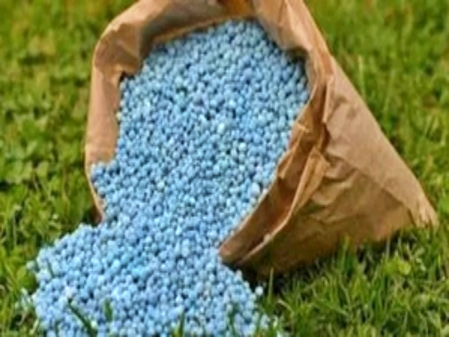
The Nepal government is looking to purchase 80,000 tonnes of chemical fertiliser from India through a government-to-government (G2G) deal. This decision comes as global supply disruptions and increased prices, linked to the West Asia conflict, strain Nepal’s agricultural input system. The Cabinet, led by Prime Minister Balendra Shah, has given initial approval for this procurement.
Minister for Education, Science, and Technology Sashmeet Pokharel, who also serves as the government spokesperson, mentioned that the procurement will be carried out under the 2022 G2G agreement. This agreement includes 60,000 tonnes of urea and 20,000 tonnes of Di-Ammonium Phosphate (DAP). Originally, Nepal had requested 150,000 tonnes of fertiliser, but due to ongoing conflicts affecting international shipments, the country is now turning to India for supply.
Nepal heavily relies on West Asia for 60–70% of its fertiliser imports, making it particularly vulnerable to global disruptions. The Ministry of Agriculture and Livestock Development has reported that consignments from international suppliers, totaling 62,500 metric tonnes of urea and 32,000 metric tonnes of DAP, have been stalled due to the conflict. Following the Cabinet’s decision, the Ministry is set to proceed with the import process promptly after receiving formal approval.
Ram Krishna Shrestha, Joint Secretary at the Ministry of Agriculture and Livestock Development, confirmed that the Agriculture Inputs Company will initiate purchase orders once all necessary procedures are finalized. The consignment is anticipated to reach Nepal by mid-August, aligning with the crucial top-dressing period for paddy cultivation. The Nepali government has allocated NPR 28.82 billion for fertiliser subsidies in the current fiscal year, aiming to procure 550,000 tonnes, although geopolitical tensions have impacted purchasing capacity.
