


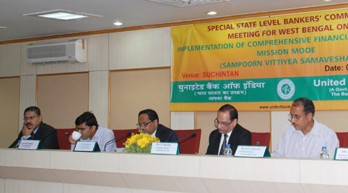
The newly formed Bharatiya Janata Party (BJP) government in West Bengal aims to address bankers’ demands for administrative support in recovering unpaid loans, especially from wilful defaulters. State Level Bankers’ Committee (SLBC) meetings have highlighted concerns from both banks and the state government. While state officials emphasize improving the credit-deposit ratio to match the national average, bankers express ongoing issues with insufficient administrative assistance in loan recovery.
A senior official at the Nabanna secretariat mentioned that the lack of administrative support has exposed recovery agents to harassment and physical intimidation by defaulters and their associates, sometimes allegedly with local political backing. The new government intends to create a more cooperative environment in SLBC meetings, focusing on enhancing the credit-deposit ratio while ensuring administrative aid for recovery personnel to operate without fear.
Presently, West Bengal’s credit-to-deposit ratio stands at approximately 71, notably lower than the national average of 82. Additionally, the new state government plans to collaborate with banks to broaden loan opportunities for individuals from backward classes, including those from scheduled castes, scheduled tribes, and other backward classes backgrounds, who have historically faced limited access to institutional loans.
The State Level Bankers’ Committee’s data reveals that only about six to seven percent of total institutional loans granted in West Bengal during the financial year 2025-26 were allocated to socially backward class individuals. Following the BJP’s success in constituencies with scheduled castes or scheduled tribes as the majority voters during the recent assembly elections, the government’s focus is on the development of socially backward communities, including expanding their access to institutional loans as part of a broader developmental strategy.
