


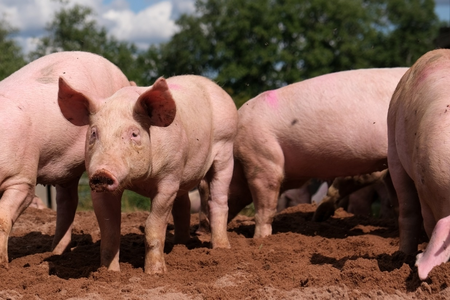
Japan’s agriculture ministry has reported a new outbreak of swine fever at a farm in Shizuoka prefecture, marking the fourth case in the country this year. Nearly 3,000 pigs at a farm in Fujinomiya city will be culled following the confirmation of classical swine fever infection.
Local authorities were alerted to piglet deaths at the farm, leading to on-site inspections that confirmed the swine fever outbreak. The affected pigs will be culled, incinerated, and buried, with an epidemiological team dispatched to trace the infection source and strengthen preventive measures.
Swine fever, a highly contagious viral disease, poses a significant threat to pig populations and the agricultural economy. While not harmful to humans, the virus can persist in the environment and various pork products, necessitating stringent biosecurity measures to prevent its spread.
Pigs play a crucial role in many economies as a source of income and animal protein. The global impact of swine fever extends beyond economic losses, affecting food security, biodiversity, and ecosystem balance, highlighting the importance of effective disease control measures.
