


Union Road Transport and Highways Minister Nitin Gadkari predicts a significant increase in India’s toll collection due to expanding road projects, growing vehicle numbers, and the adoption of advanced digital systems. He mentioned that the government anticipates annual toll revenue to reach around Rs 3.5–4 trillion soon, a substantial rise from the current Rs 80,000–85,000 crore. As the economy and automobile sector expand, there will be higher traffic on highways, leading to increased toll collection, which will also benefit road infrastructure investors.
India is progressing towards a fully digitalized, barrier-free tolling system, aiming to implement a multi-lane free-flow system driven by artificial intelligence (AI) by the end of 2026. This transition will eliminate the need for physical toll plazas and is already helping save approximately Rs 8,500 crore in toll collection costs through the use of new technologies. Several projects have commenced, with tenders awarded for 10 plazas and more in the pipeline.
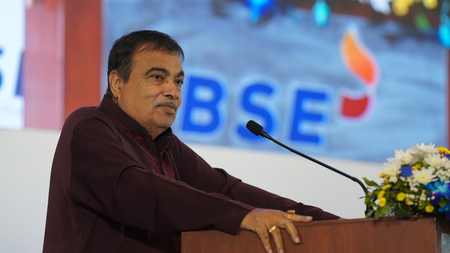
During the listing ceremony of National Highways Authority of India-backed Raajmarg Infra Investment Trust (RIIT), Gadkari emphasized India’s potential to monetize road assets, highlighting the need for improved execution to boost infrastructure spending. He mentioned the country could invest up to Rs 8–8.5 trillion annually in infrastructure with enhanced execution, combining budgetary support and funds raised from the market through asset monetization. By 2026, assets worth Rs 3.5 trillion are expected to be placed under InvITs, with the National Highways Authority of India having already monetized road assets worth about Rs 1.5 trillion in the last four years and planning to continue this strategy while maintaining a 10% stake in RIIT.
