


The Norwegian Refugee Council (NRC) has raised concerns about the dire situation in Afghanistan, where over 115,000 individuals have been displaced due to escalating conflict between the Taliban and Pakistan. Families are being uprooted from their homes, leading to worsening humanitarian conditions as they struggle to find shelter and basic necessities. Jacopo Caridi, Director of NRC in Afghanistan, emphasized the challenges faced by these displaced civilians, including limited access to essential services like clean water, healthcare, and education.
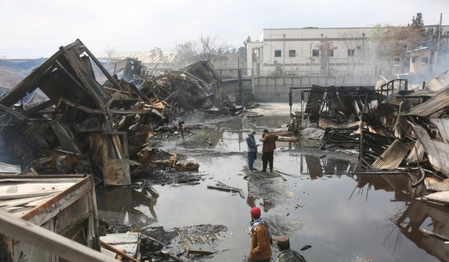
Highlighting the impact of recent Pakistani strikes in Kunar and Nangarhar provinces, the NRC reported that 76 Afghan civilians have lost their lives, with an additional 213 sustaining injuries. The situation further deteriorated with a Pakistani airstrike on a drug rehabilitation hospital in Kabul, resulting in numerous casualties, indicating a dangerous escalation in urban attacks. The NRC also noted that hundreds of homes have been damaged, leaving families in need of long-term support to recover from their losses.
Amid the ongoing conflict, the NRC stressed the importance of upholding international humanitarian law to protect civilians and infrastructure from being targeted. Caridi emphasized the urgency of addressing the humanitarian crisis in Afghanistan, where aid funding cuts have severely impacted the ability to provide essential assistance to those in need. The organization highlighted the challenges faced by Afghan families, including rising food prices and restricted access to aid due to conflict-related barriers.
The tensions between Afghan and Pakistani forces have escalated, leading to retaliatory actions and military operations on both sides. Despite temporary pauses in operations for Eid at the request of mediators, reports of ceasefire violations along the Durand Line have emerged. Afghanistan’s Chief of Armed Forces accused Pakistan of breaching the ceasefire agreement, citing ongoing attacks in border areas that have resulted in casualties. The situation remains volatile, underscoring the need for sustained efforts to address the conflict and protect civilian lives.
