


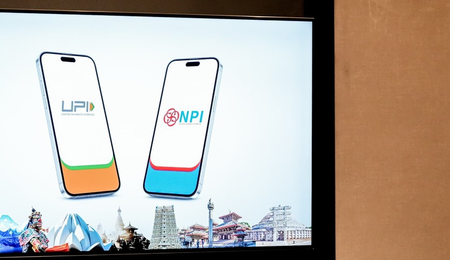
NPCI International Payments Limited (NIPL) has introduced a cross-border payment connection between India’s Unified Payments Interface (UPI) and Nepal’s National Payments Interface (NPI. This initiative enables real-time, cost-effective, and secure money transfers between the two countries. Users in both India and Nepal can now engage in seamless person-to-person transactions using mobile numbers, virtual payment addresses (VPAs), or UPI IDs, without the necessity of sharing sensitive bank account information.
The service is currently operational through specific banks and is anticipated to extend to a broader range of financial institutions in the future phases. NPCI views this linkage as a significant advancement in enhancing cross-border digital payments, promoting financial inclusion, and strengthening economic and digital ties between India and Nepal. Moreover, this project aligns with global initiatives, including the G20 agenda, to enhance accessibility, efficiency, and affordability of cross-border payments.
Ritesh Shukla, MD & CEO of NPCI International, expressed that the launch of the cross-border remittance connection with Nepal through NCHL underscores the organization’s dedication to innovative solutions that cater to the changing requirements of global communities. This endeavor establishes a real-time, cost-effective, and secure channel for cross-border remittances, streamlining the process for families in both nations and fostering financial inclusion.
By enabling instant settlement, the system is poised to significantly reduce transaction expenses compared to traditional remittance channels and offer quicker access to funds for users on both sides of the border, particularly families reliant on timely remittances. Neelesh Man Singh Pradhan, CEO of NCHL, emphasized that the successful rollout of the linkage between Nepal and India signifies a close partnership and a shared commitment to facilitating seamless, real-time, and convenient cross-border fund transfers.
The collaboration between NPCI International and NCHL represents a pivotal achievement in constructing interoperable payment systems and could potentially serve as a blueprint for similar partnerships in other regions.
