


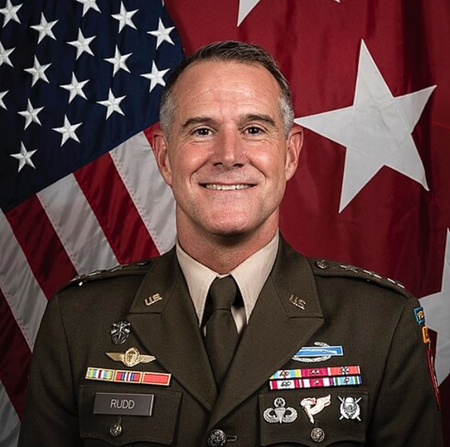
Facing immediate threats to US infrastructure and democracy, Joshua Rudd, the nominee for NSA director, stressed the importance of speed, integration, and innovation in American cyber defense. Rudd highlighted the NSA’s core missions of foreign signals intelligence and cybersecurity, emphasizing the need for timely intelligence while safeguarding sensitive systems. He underscored the necessity of close coordination between the NSA and US Cyber Command, stating that both entities operate in a shared environment.
Rudd defended the current structure where the NSA director also leads Cyber Command, arguing that separating the roles could hinder operations and alignment. He warned that without unified leadership, intelligence priorities and cyber operations might diverge, leading to inefficiencies and reduced transparency. Rudd asserted that the dual role enables quicker decision-making and clearer accountability in a rapidly evolving threat landscape.
Acknowledging the need for a review as Cyber Command matures, Rudd emphasized that unity of effort is crucial for defending the homeland and deterring adversaries. He highlighted the importance of using appropriated funds strictly for their intended purposes, ensuring clear accountability between the NSA and Cyber Command. Rudd drew on his extensive military experience to emphasize the fusion of intelligence and operations at speed, particularly in the face of escalating adversarial activity in the Indo-Pacific region.
He pointed out the surge in adversarial activity fueled by the proliferation of low-cost technologies like artificial intelligence, cyber tools, and autonomous systems. Rudd described these threats as direct challenges to US infrastructure and democratic institutions, emphasizing the need for closer integration across the intelligence community. He outlined plans to enhance data sharing, interoperability, and interagency training while stressing the growing role of artificial intelligence in intelligence and cybersecurity.
Identifying China as a significant national security challenge, Rudd also highlighted cyber threats to critical infrastructure, rapid technological advancements, and global instability. He praised the critical insights gained through intelligence collected under Section 702 of the Foreign Intelligence Surveillance Act, noting its role in saving American lives and bolstering national security. The NSA, under the director of national intelligence, plays a pivotal role in foreign signals intelligence and national security system protection.
