


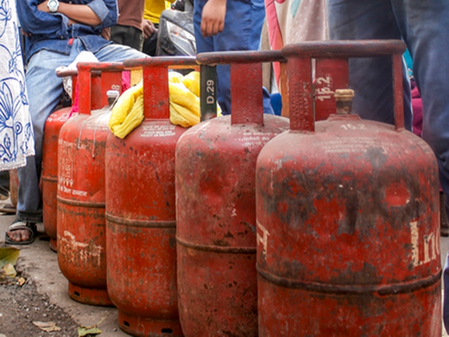
Public sector oil marketing companies in Gujarat have implemented a 25-day interval between bookings of two domestic LPG cylinders by the same consumer. This measure aims to prevent panic buying and hoarding amid tensions in West Asia. The state government disclosed that authorities are vigilantly monitoring the situation to ensure a smooth distribution of LPG cylinders across Gujarat, especially with concerns over energy supply chains due to global developments in West Asia.
Officials have confirmed the availability of sufficient stock of LPG for domestic use in the state. Efforts are underway to ensure the efficient transportation and distribution of the existing supplies. The Food and Civil Supplies Department emphasized that both the Central and state governments are actively engaged in monitoring and ensuring the uninterrupted distribution of LPG cylinders throughout Gujarat.
To maintain fair access to cylinders, a 25-day gap between bookings has been enforced. This decision by public sector oil marketing companies is intended to guarantee the adequate availability of LPG for domestic needs at all locations. The move is primarily focused on averting unnecessary consumer panic and discouraging the hoarding of LPG cylinders.
Authorities highlighted that Gujarat’s situation is relatively stable, with approximately 30% of domestic gas consumption being supplied through the piped natural gas (PNG) network. Given the sufficient availability of PNG supply, the overall gas situation in Gujarat is considered favorable. Additionally, the Central government has imposed regulations on the sale of commercial LPG cylinders, ensuring that essential institutions like hospitals and educational establishments receive their required allocations.
Warning against illicit practices related to LPG supply, the department emphasized that unauthorized storage, black marketing, diversion for unauthorized purposes, or overcharging above the notified rates are punishable offenses under the Essential Commodities Act, 1955, and the LPG Control Order, 2000. The department asserted that competent authorities of the state government possess the power to initiate legal action against individuals engaged in such activities.
