


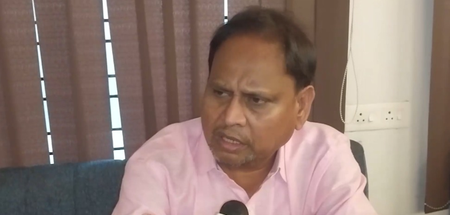
Opposition leaders, including AJUP Chairman Humayun Kabir, criticized the West Bengal government’s move to extend the compulsory recital of Vande Mataram to madrasas, expressing concerns about imposing such practices on religious institutions. Kabir emphasized the importance of upholding religious freedom granted by the Constitution, stating that everyone should have the right to practice their faith without interference. He urged unity among Muslims to oppose the decision, highlighting the inclusive role of a Chief Minister in representing all communities.
Congress leader Husain Dalwai weighed in on the controversy, emphasizing the need to respect religious sentiments while acknowledging the significance of Vande Mataram. He suggested that in a diverse society, it is essential to be mindful of potential objections and ensure inclusivity. Dalwai also underscored the secular nature of India, referencing Mahatma Gandhi’s ideology in contrast to Savarkar’s beliefs.
Adding to the discussion, Congress MLA Nizam Uddin Bhat raised concerns about directives imposed on students, emphasizing the importance of democratic principles and individual rights. Bhat cautioned against actions that could provoke tensions and advocated for a balanced approach by involving local authorities to address the situation. Meanwhile, Samajwadi Party MP Virendra Singh viewed the issue as part of the BJP’s political agenda, highlighting the broader implications of the directive.
In response to the escalating debate, BJP leader Mukhtar Abbas Naqvi urged against politicizing the issue and emphasized the need to maintain harmony and social unity. Naqvi warned against creating communal discord around Vande Mataram, cautioning against actions that could undermine the country’s cohesion. The directive to make the recital of Vande Mataram mandatory in madrasas follows a recent decision by the West Bengal government, marking another significant educational policy change under the leadership of Suvendu Adhikari.
